
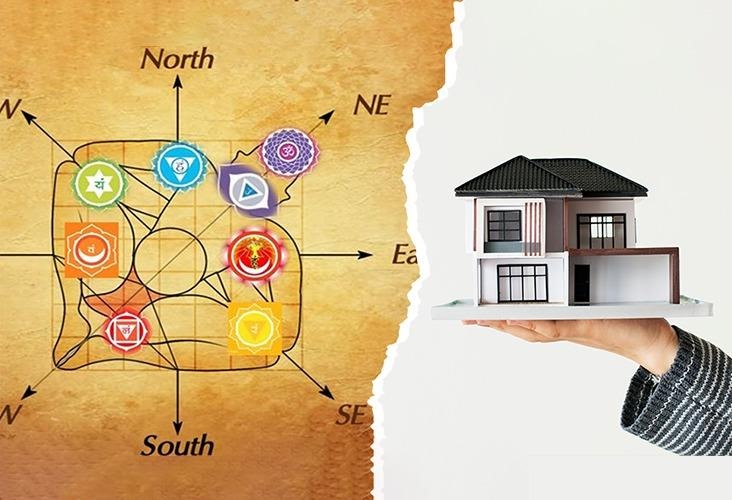
Vastu for Home Entrance: Direction, Design, and Tips for a Positive Home
In Vastu Shastra, the entrance of a home is considered the most powerful architectural element. It is not merely a physical entry point — it is believed to be the channel through which energy, opportunities, and prosperity enter the household.
A well-aligned entrance, according to traditional Vastu principles, supports positive vibrations, mental clarity, and financial stability. Conversely, an improperly positioned or poorly designed entrance is often associated with energetic imbalance.
Why the Main Entrance Is Important in Vastu
The entrance acts as the threshold between external influences and internal living space. Vastu emphasizes directional alignment because each direction is associated with specific elemental forces.
“The main door is not just an opening in the wall — it is the gateway of energy into the home.”
When planned correctly, it enhances natural light flow, improves ventilation, and symbolically represents welcoming prosperity and well-being.
Best Directions for Home Entrance
According to Vastu Shastra, certain directions are considered more favorable for residential entrances.
- North-East: Considered highly auspicious and spiritually aligned
- East: Associated with growth, clarity, and new beginnings
- North: Linked with prosperity and career growth
- West (Selective zones): Can be favorable if proportionally aligned
South-facing entrances are not inherently negative but require careful planning, proportional measurements, and proper placement within the directional grid.
Entrance Design Principles in Vastu
Beyond direction, design elements significantly influence the energetic balance of the entrance.
- The main door should be the largest door in the house
- It should open clockwise (inward direction)
- Avoid direct alignment with back doors or staircases
- Keep the entrance well-lit and clutter-free
- Nameplates and symbols should be clearly visible
Symmetry and proportion are highly emphasized. A balanced facade ensures that energy flow remains stable rather than chaotic.
Common Entrance Vastu Mistakes
Several design oversights can unintentionally disrupt harmony within the home.
- Broken or squeaky doors
- Dark, poorly ventilated entryways
- Dustbins or shoe clutter directly at the entrance
- Mirrors facing the main door
- Sharp architectural corners pointing toward the entrance
Correcting these minor issues can significantly improve the perceived positivity of the space.
Simple Vastu Tips for a Positive Entrance
- Install warm lighting at the entry
- Use natural wood or quality materials for the main door
- Place green plants near the entrance (without blocking the door)
- Use subtle, calming colors for the entry wall
- Keep the pathway clean and unobstructed
Even in apartments where directional flexibility may be limited, interior corrections and aesthetic alignment can enhance harmony.
Modern Interpretation of Vastu Entrance
While traditional Vastu guidelines originate from ancient architectural science, modern interpretation blends spatial psychology, natural light optimization, and airflow principles.
A well-planned entrance creates a psychological sense of openness and security. In contemporary real estate, Vastu compliance also influences buyer preference and property value perception.
Conclusion
The entrance of a home sets the energetic tone for the entire living space. Direction, design symmetry, lighting, and cleanliness together contribute to creating a welcoming and balanced environment.
A thoughtfully designed entrance does not just invite guests — it invites positivity, growth, and stability.